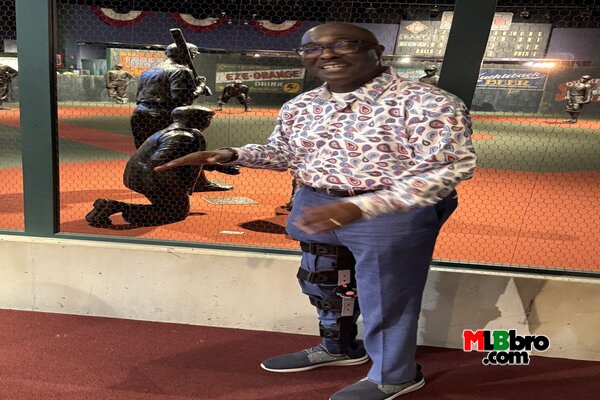
The storied Negro Leagues Baseball Museum is exactly that—a location that has many special stories. Growth is something that is always on the mind of the museum President Bob Kendrick.
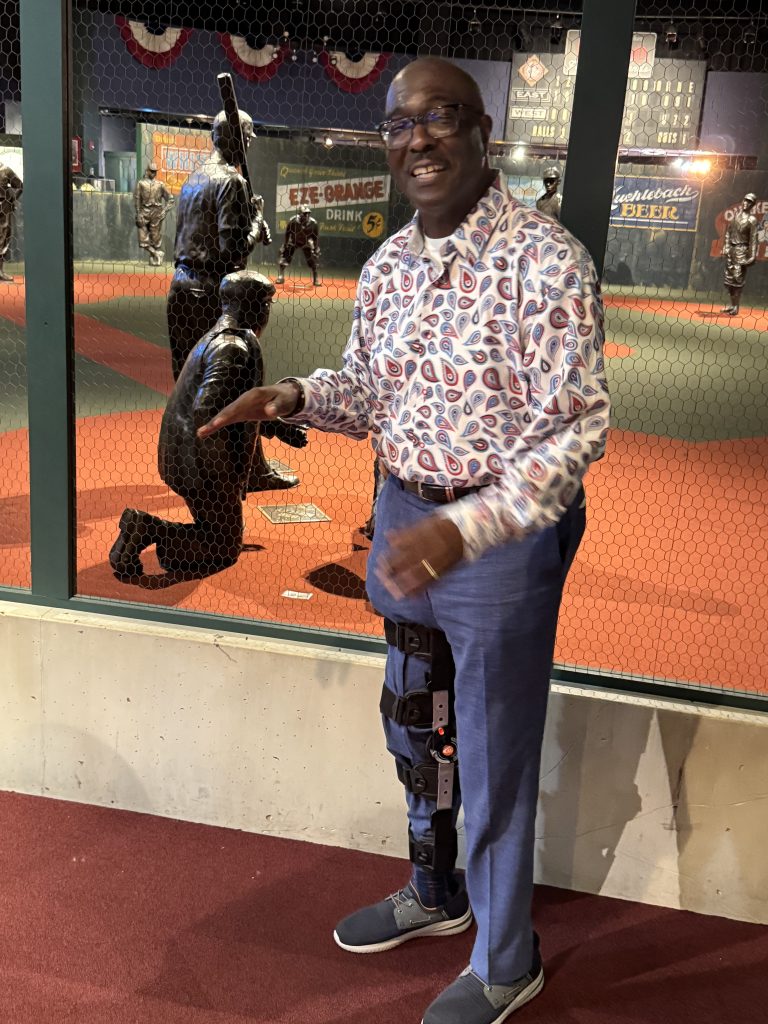
“Story telling has been an important role with this generation,” Kendrick shared with MLBbro.com. “I can’t wait for them to come to me. I’ve got to go to where they are,” he expanded on his mission to connect the Negro Leagues with the youth of today.
The video game MLB The Show has helped share many storylines. These storylines are attracting visitors from all over the world. The Negro League Baseball Museum received visits from a gentleman from Germany and a group from South Africa in June. Kendrick was also made aware of a six-year-old boy whose favorite player is Hank Thompson because of the video game. Thompson played for the Kansas city Monarchs in the 1940s.
“My favorite Major League player is the late great Henry Aaron,” he shared. “Before I got involved with the museum I had no idea that he played in the Negro Leagues,” Kendrick added. “As a kid growing up in the playground, I was Henry Aaron,” he stated. “I was blown away by how little I knew about the history of this game and his connection to the history of this country,” he recalled. “I had the incredible opportunity to walk my childhood idol and my all time favorite ballplayer through this museum in 1999,” Kendrick beamed with pride. “It was the first and only time I’ve ever been star struck,” he continued.
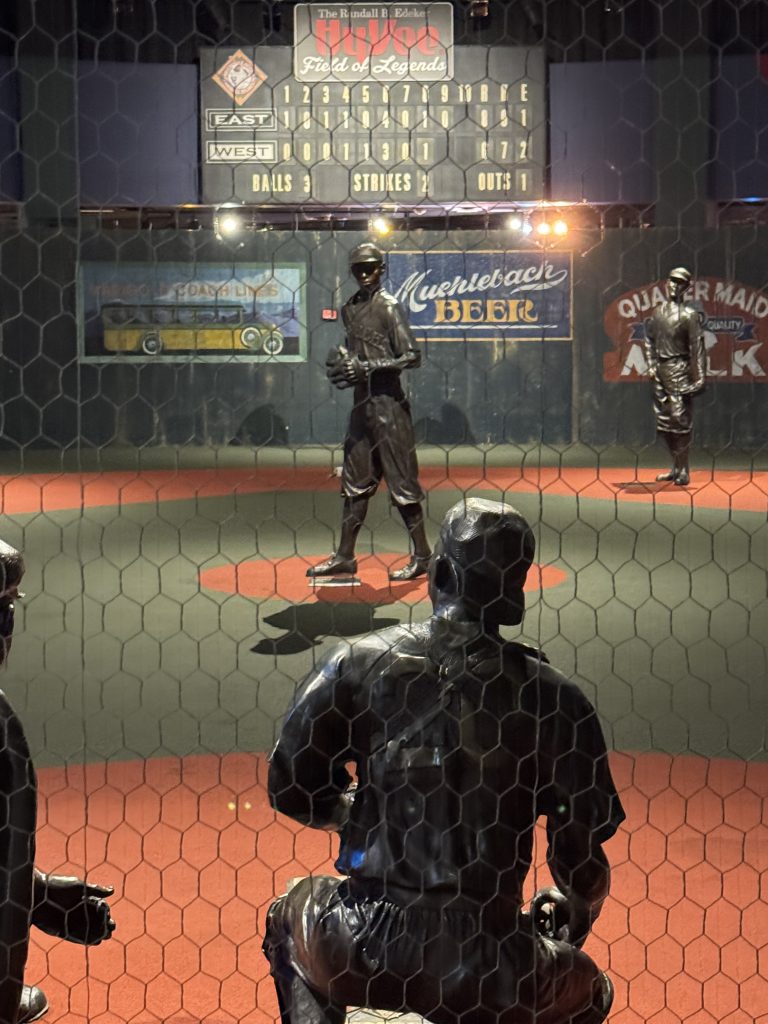
April 8, 1974 was a special day for Major League Baseball. It was the night that Aaron hit his 715 home run to set the Major League record.
“He doesn’t know if he’s going to make it around the bases,” he shared. “This is 1974 not 1947, 27 years after Robinson breaks the color barrier and he is still receiving the same type of hate mail,” Kendrick added.
Rickwood Field in Birmingham, Alabama has a very long history of professional baseball.
“Every time I’m there it gives me goosebumps. It’s a baseball cathedral,” Kendrick told MLBbro.com. One of Reggie Jackson’s minor league stops was with the Birmingham A’s in 1967 with their home games being played at Rickwood.
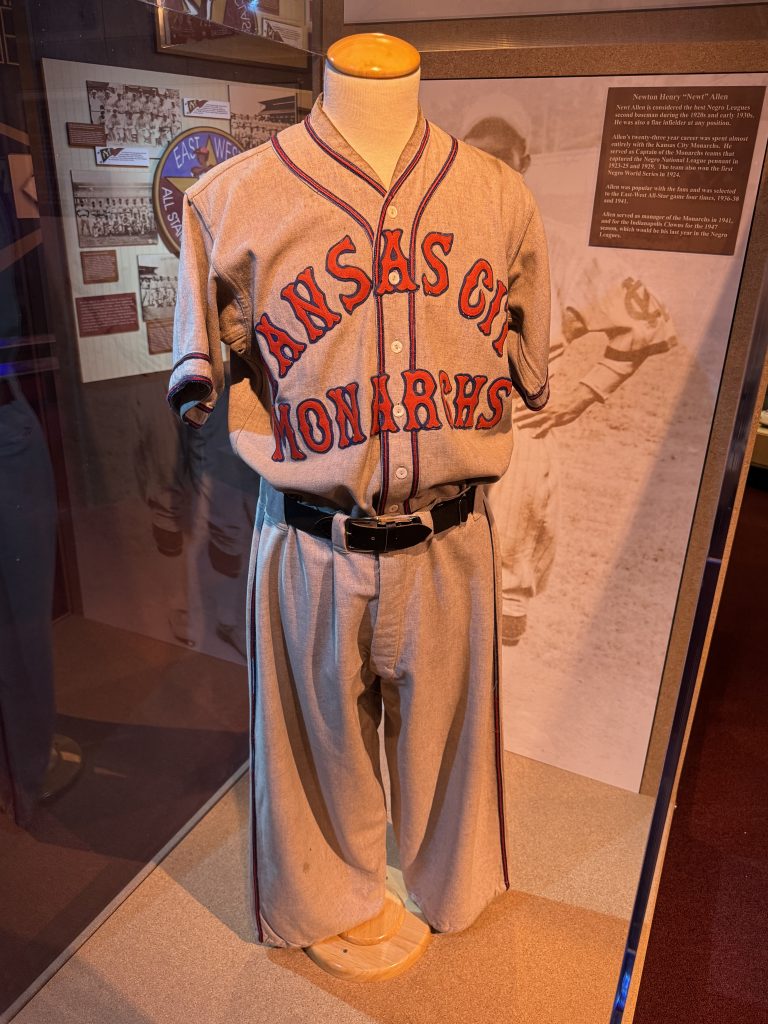
“Oftentimes when we tell our stories people assume that we are complaining about such things but we are just explaining and have learned to overcome, and that was Reggie’s story,” he reflected on Jackson’s emotional tv interview prior to the game between the Cardinals and Giants in 2024. “His story also pales in comparison to some of the things that his predecessors had to endure,” he added.
Baseball of course plays a special role in our history but it was more than just a game. “I’m not sure that we fully understood what we were losing when we lost the Negro Leagues,” he mentioned.
“The Negro Leagues had been such a tremendous catalyst and sparked economic commerce that many businesses had a built-in clientele in the urban areas,” Kendrick explained. “Jackie breaking the color barrier brought excitement but the flipside of that was we had no idea what the detriment was going to be,” he said. “The story itself is bittersweet” he added. The color barrier being broken paved the way for Larry Doby and other black and brown players to experience the Major Leagues and it started to signal a slow end for the Negro Leagues being a major factor in the game of baseball.
“I find it just as fascinating today as I did when I first walked into a one room office 32 years ago,” he concluded.
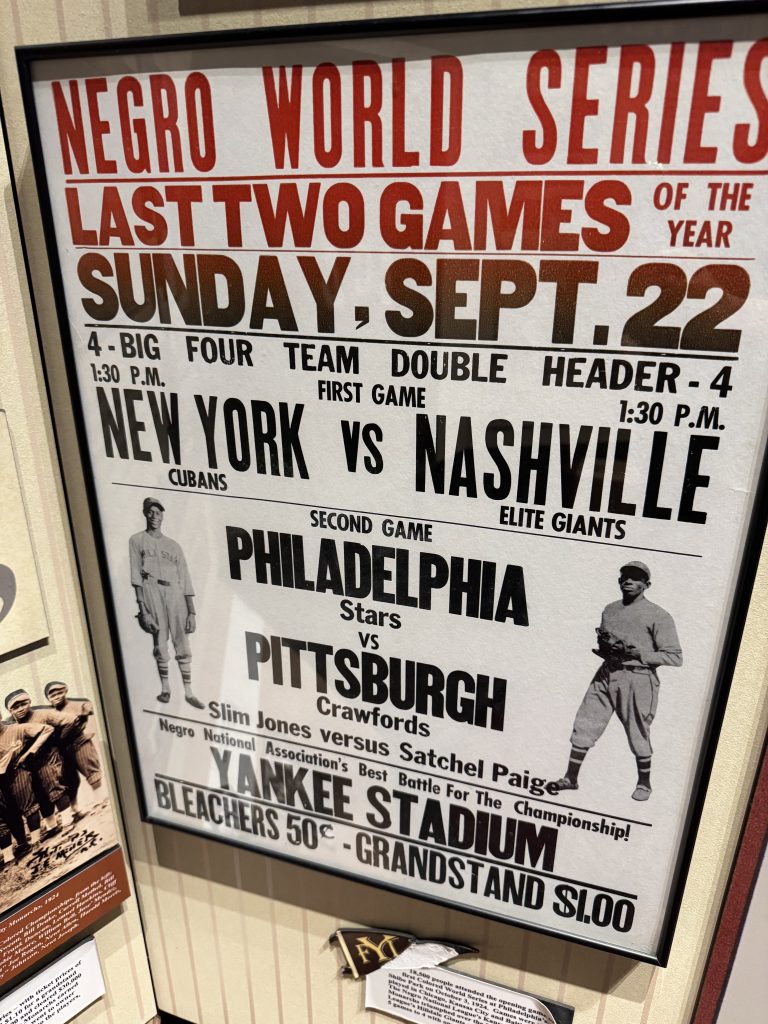
Those are fantastic words to hear from a man who knows the museum, the Negro Leagues, and history of MLBbro baseball