As baseball has regained relevance over the past several seasons, the potential implementation of a salary cap remains one of the sport’s hottest topics as Major League Baseball faces the possibility of a lockout following the 2026 season.
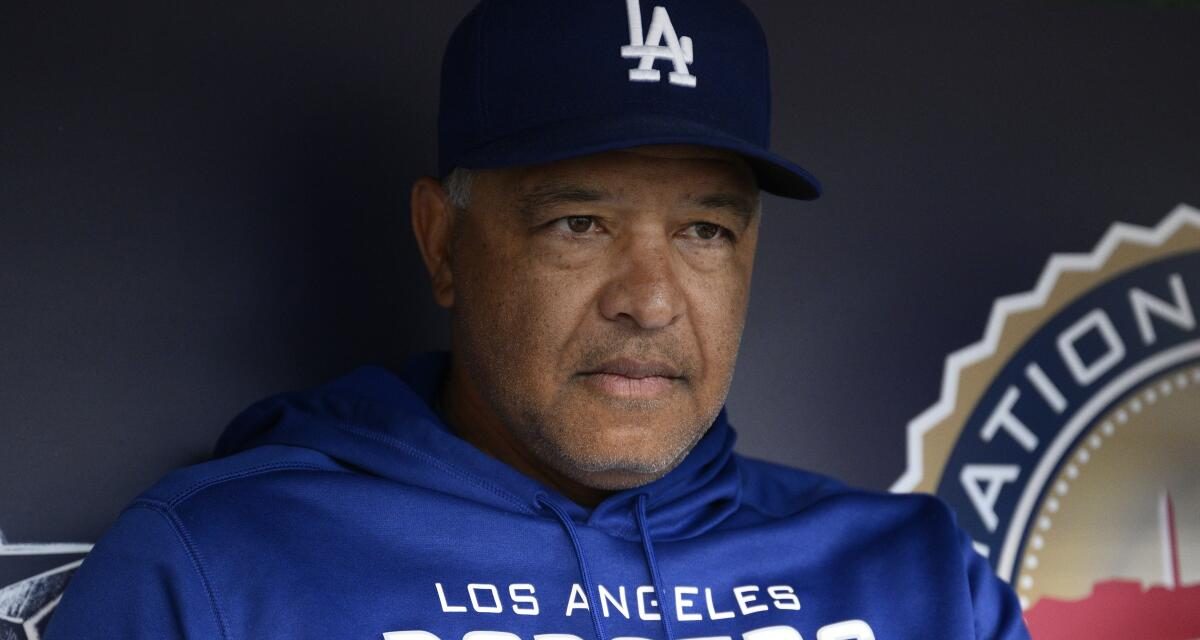
Los Angeles Dodgers manager Dave Roberts recently spoke to reporters about the possibility of a salary cap, a concept he said he would support under one condition.
“You know what? I’m all right with that. I think the NBA has done a nice job of revenue sharing with the players and the owners,” Roberts said. “But if you’re going to kind of suppress spending at the top, I think that you’ve got to raise the floor to make those bottom-feeders spend money, too.”
Why Roberts’ Comments Matter
Roberts’ statements are noteworthy given the organization he manages. The Dodgers currently have one of the highest payrolls in MLB history at $421 million, according to Spotrac, with the New York Mets trailing closely behind the two-time defending World Series champions.
The discussion around payroll and competitive balance has intensified in recent seasons as teams like the Dodgers have maintained sustained success and positioned themselves as championship contenders. Los Angeles is in position to pursue a third consecutive World Series title, something no team has accomplished since the New York Yankees from 1998–2000.
Deferred contracts on the Dodgers’ roster also impact that $421 million figure. Shohei Ohtani’s deal, signed ahead of the 2024 season, includes significant deferrals that reduce his annual salary to $2 million in the present while the overall contract remains one of the largest in professional sports history.
Ohtani remains a two-way star who has won multiple MVP awards and continues to impact both the mound and the batter’s box. The Dodgers also have other deferred money on the books, including portions of Mookie Betts’ 12-year, $365 million contract signed in 2020.
Despite operating in one of the largest markets in sports and maintaining one of the league’s highest payrolls, Roberts was clear in his stance that he would support a salary cap only if it were paired with a salary floor designed to increase spending among lower-revenue teams.
MLB’s Proposed Salary Cap Faces Resistance
According to multiple reports, MLB has proposed a hard salary cap of $245.3 million and a salary floor of $171.2 million, including player benefits. However, the MLB Players Association has remained firmly opposed to a salary cap, with Yahoo Sports’ Matthew Tabeek reporting that such a system could reduce player earnings by an estimated $500 million.
That figure highlights the financial stakes involved in ongoing labor discussions. With average MLB careers lasting only a few years, the MLBPA has argued that restrictions on earning potential during a limited window could significantly impact lifetime earnings and financial security.
How Other Leagues Have Approached Salary Caps
Looking at other major North American sports leagues, including the NFL, NBA, and NHL, salary cap systems have been in place for decades. The NHL faced a similar crossroads more than 20 years ago, when a lockout wiped out the entire 2004–05 season as the league moved toward a new collective bargaining agreement designed to improve competitive balance and long-term financial stability.
The NBA has also operated under a salary cap structure that has helped shape competitive parity across the league. In the 2020s, no team has repeated as NBA champions, with the most recent back-to-back title winner being the Golden State Warriors in 2017 and 2018.
The league has also introduced more restrictive financial mechanisms, including the “second apron,” which places additional penalties on high-spending teams and has further impacted roster construction and the distribution of talent across the league.
While the league and players remain divided on the issue, Roberts’ comments highlight the challenges MLB faces in balancing competitive parity with player compensation. As the next round of labor negotiations approaches, the salary cap debate could become one of the defining storylines shaping baseball’s future.